Timber Deck Insulation Fixings
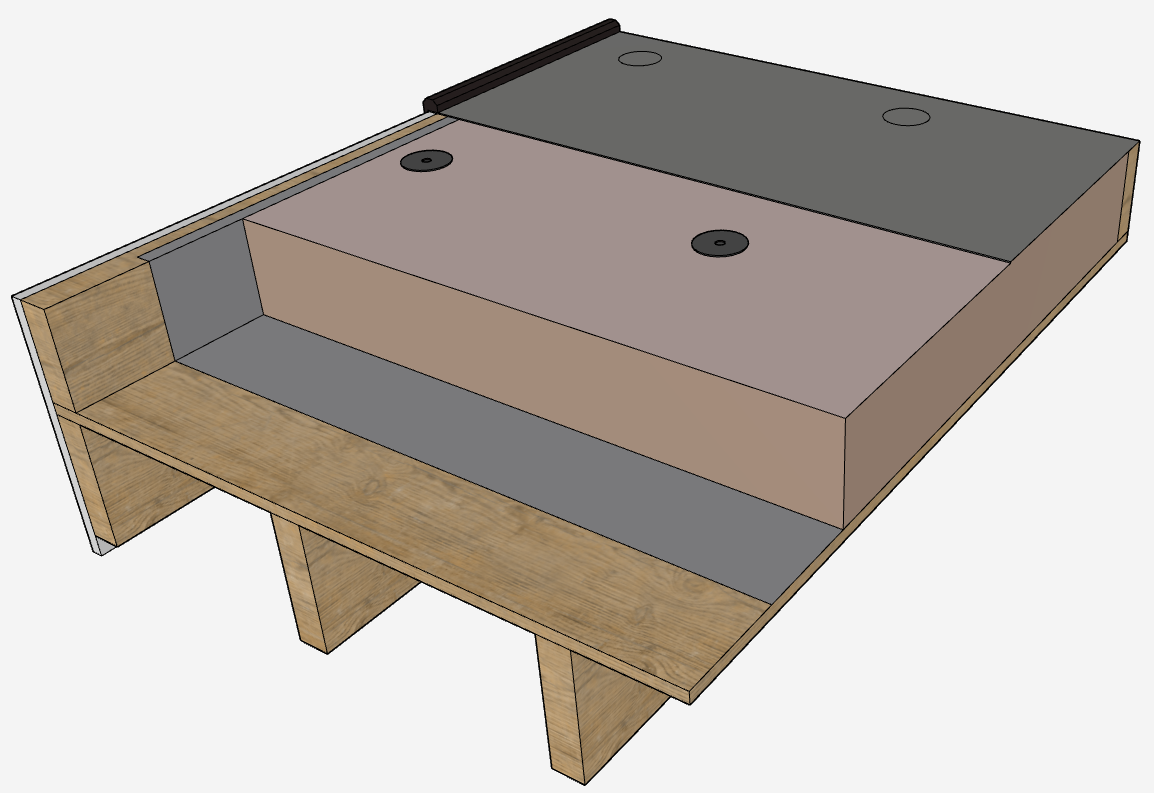
Timber deck thermally broken fixings are used when securing your flat roof insulation boards to an 18mm timber subdeck. Timber can be any suitable plywood or OSB boards.
Required for foil-faced flat roof insulation boards or any mechanically-fixed system.
Steel Deck Insulation Fixings
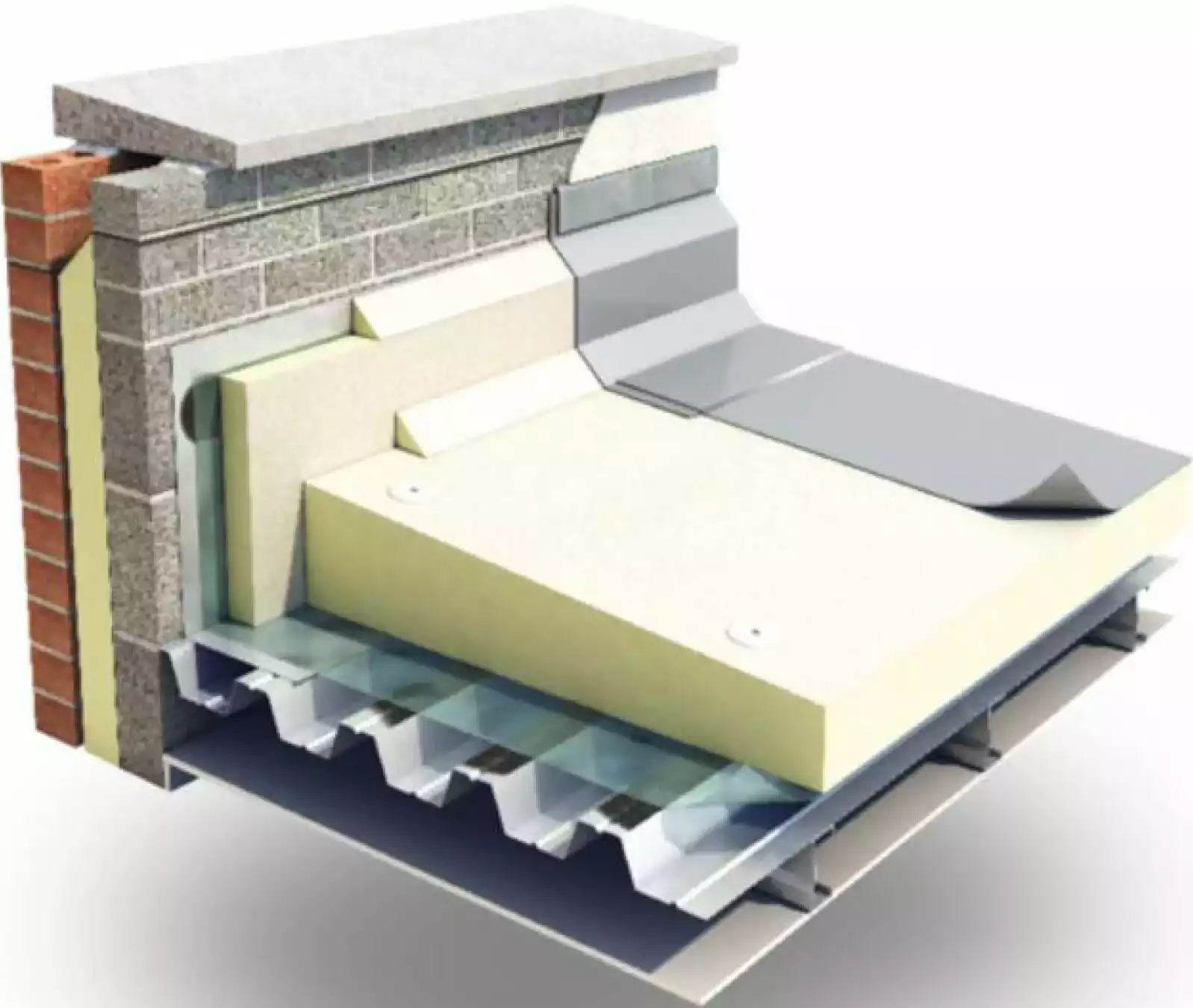
Steel deck thermally broken fixings are used when securing your flat roof insulation boards to a 0.7mm – 1.2mm steel subdeck.
Required for foil-faced flat roof insulation boards or any mechanically-fixed system.
Concrete Deck Insulation Fixings
Concrete deck thermally broken fixings are used when securing your flat roof insulation boards to a concrete deck.
Required for foil-faced flat roof insulation boards or any mechanically-fixed system.
Insulation Adhesive
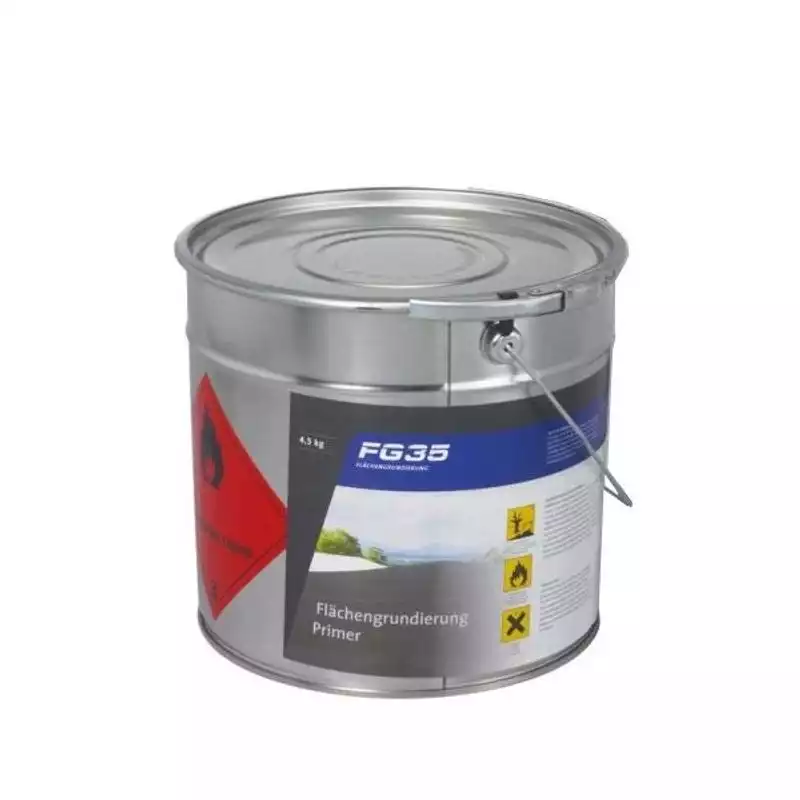
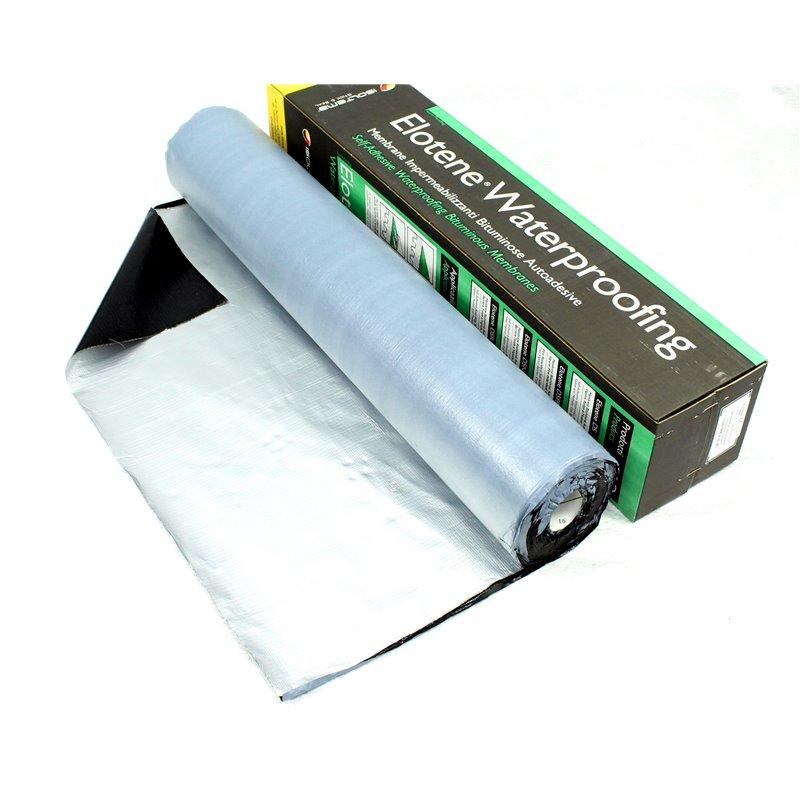
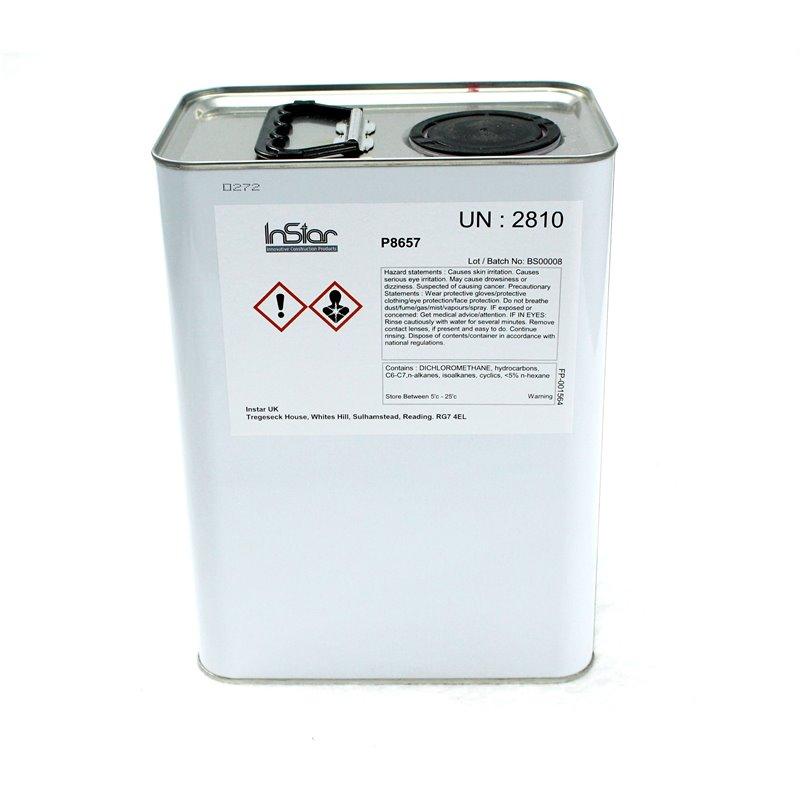
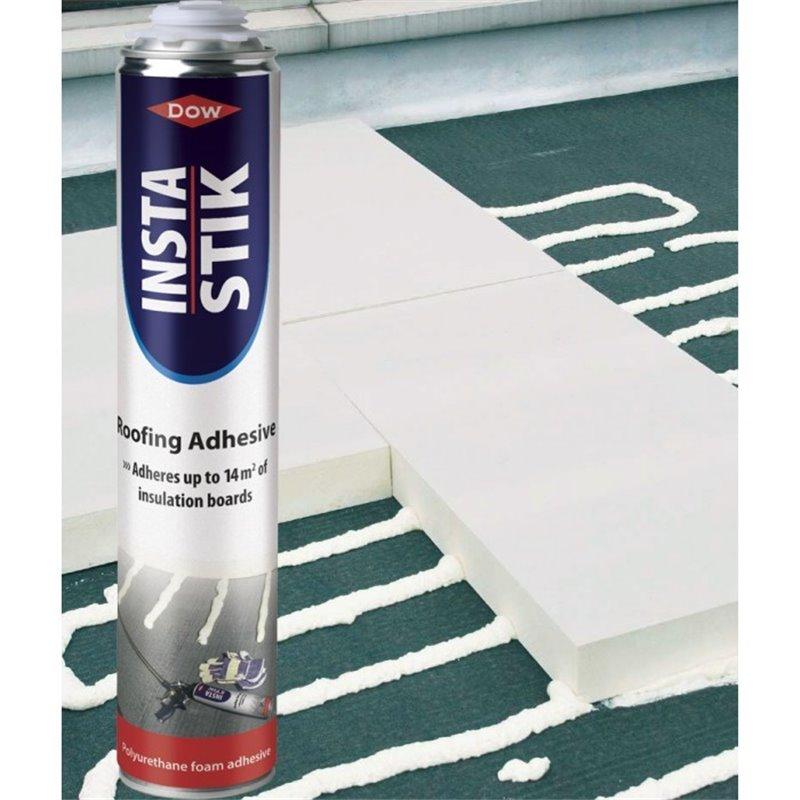
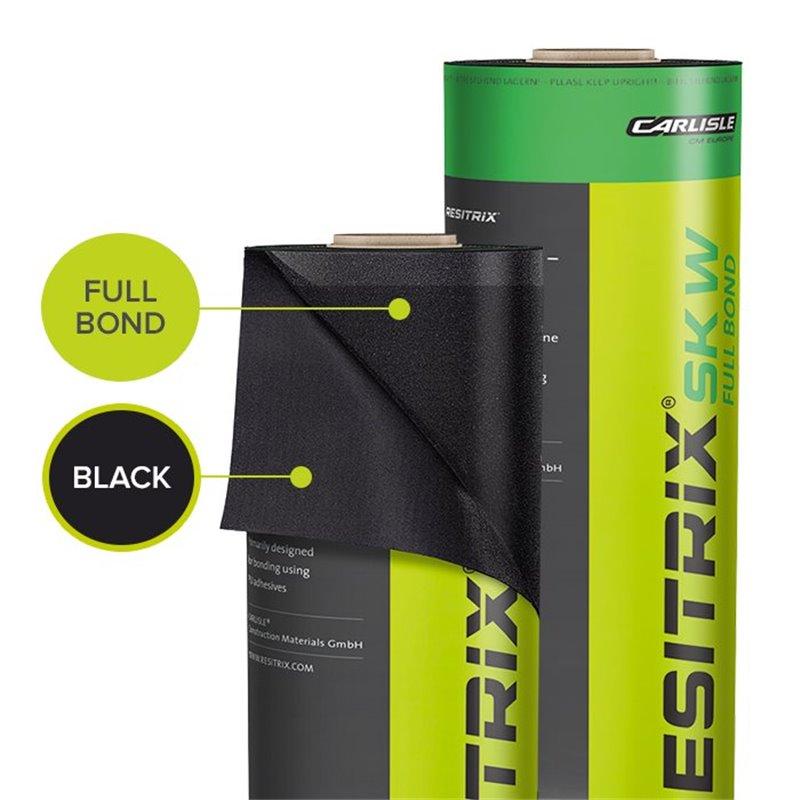
INSTA-STIK insulation adhesive is used to secure a tissue-faced flat roof insulation board to a fully bonded vapour barrier layer, such as ALUTRIX or ELOTENE.
The choice between insulation adhesive and thermally broken fixings depends entirely on the insulation you use.
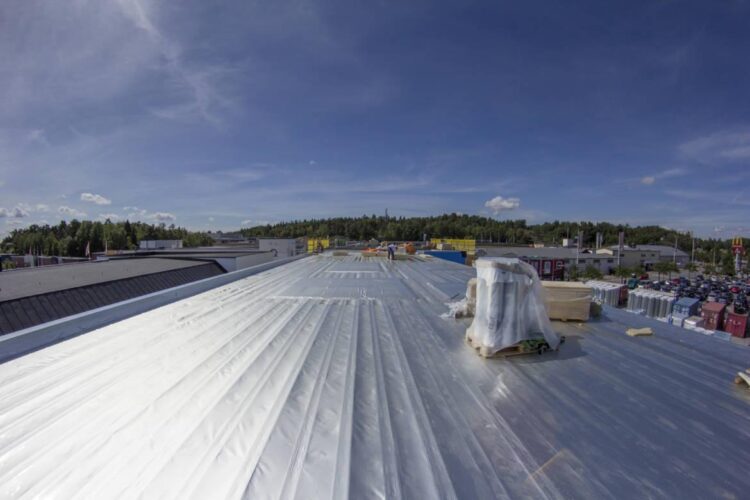
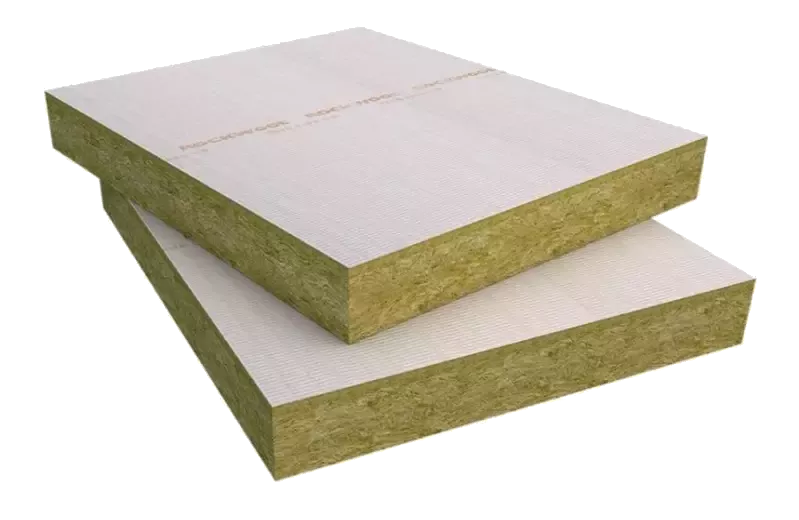
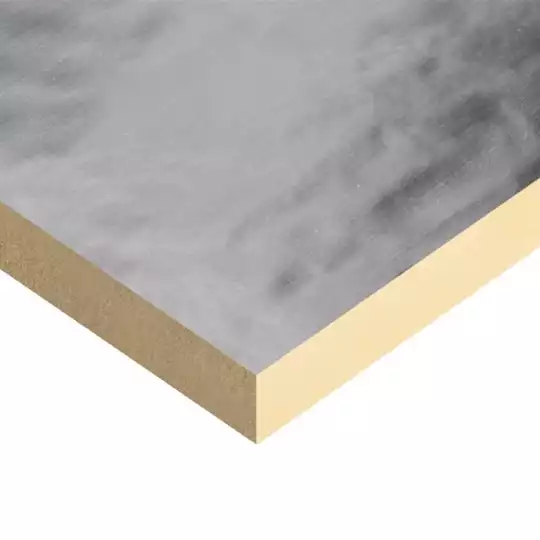
If you use either a foil-faced or Rockwool Hardrock flat roof insulation board or any mechanically-fixed system, thermally broken fixings are required. These are designed to prevent thermal bridging, improve energy efficiency, and contribute to a longer roof lifespan. They are also a legal requirement from building control as of the start of 2024.
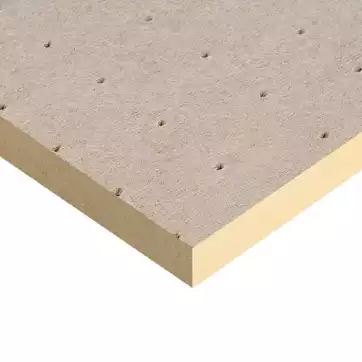
If you use a tissue-faced or bitumen-faced flat roof insulation board, it can be adhered to the vapour barrier layer using an approved insulation adhesive such as INSTA-STIK.
Why are thermally broken fixings required on a warm deck roof?
Thermally broken fixings have been required since early 2024, following a change in building regulations. This requirement was introduced to address the many failures in flat roofs caused by screws running directly through the roof from top to bottom, including thermal bridging, moisture problems and eventual rot.
A standard screw that extends from the top of the roof down into the roof space can conduct heat. When it’s cold outside and warm inside, condensation can form on the exposed part of the screw beneath the VCL. This, in turn, can lead to the usual problems of damp, mould, and timber rot.
This is why thermally broken fixings are required, as they prevent this condensation from forming. Thermally broken fixings are primarily designed to prevent thermal bridging, improving energy efficiency, while also contributing to a longer roof lifespan in other ways.
What else can go wrong if I don’t use thermally broken fixings?
When combined with other incorrect techniques, such as using a timber deck and the wrong insulation, the impact of not using a thermally broken fixing is much more severe.
For example, with a GRP system installed over a timber deck with the incorrect insulation, normal foot traffic during installation or maintenance can compress the insulation. This causes screws to push against the GRP layer, which would eventually lead to cracking or puncturing of the waterproofing layer. Using a thermally broken fixing would at least minimise this risk as the tubes create a space between the screw and the top deck, ensuring that the screw can’t puncture the waterproofing layer.
Once the waterproofing layer is compromised, the roof can begin to leak. Added moisture accelerates the previously mentioned issues, eventually leading to the GRP system and insulation needing repair or replacement. In some cases, we’ve seen this happen in as little as 18 months after installation.
This is not just unique to GRP roofs, other systems, including EPDM, PVC, liquid-applied membranes, and even felt, can be punctured in the same way.