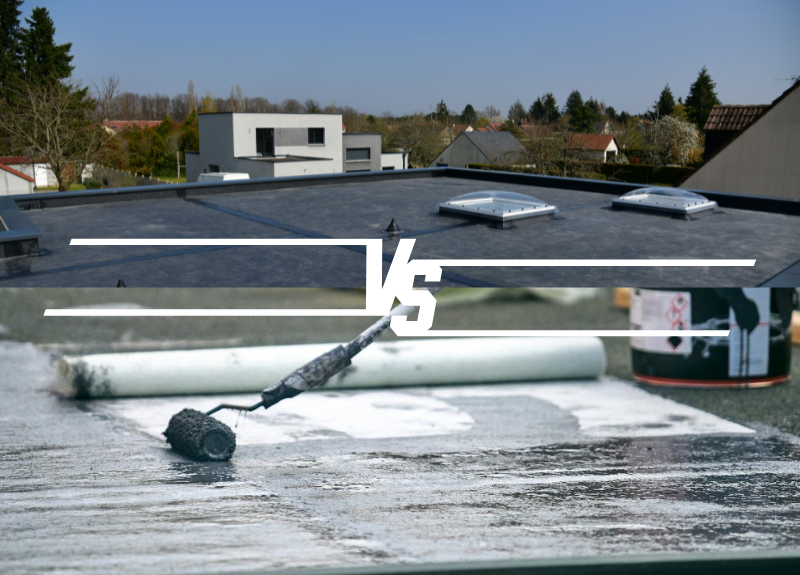
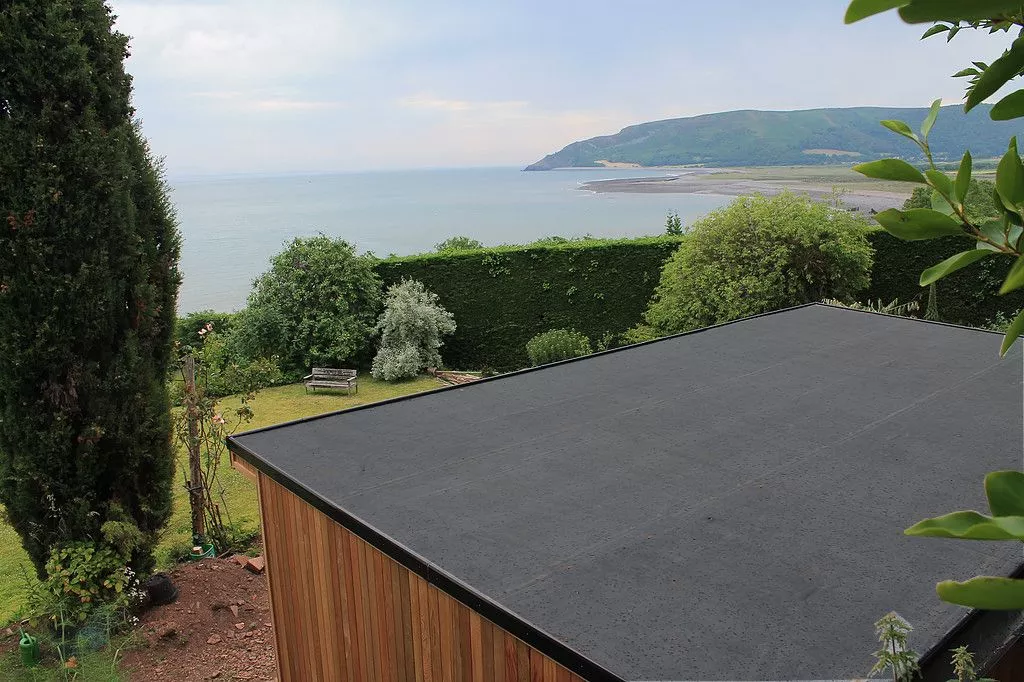
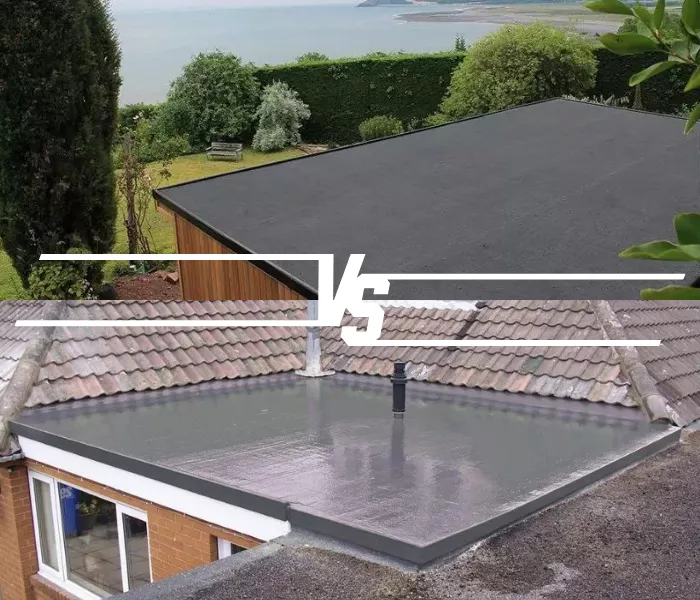
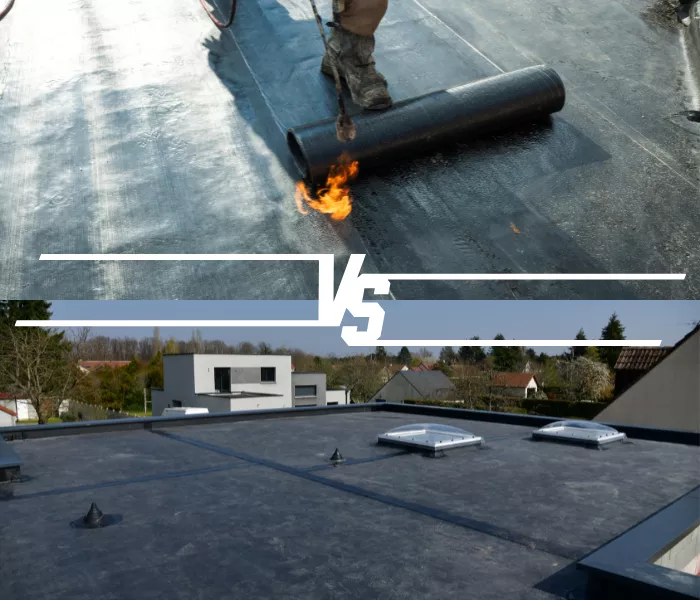
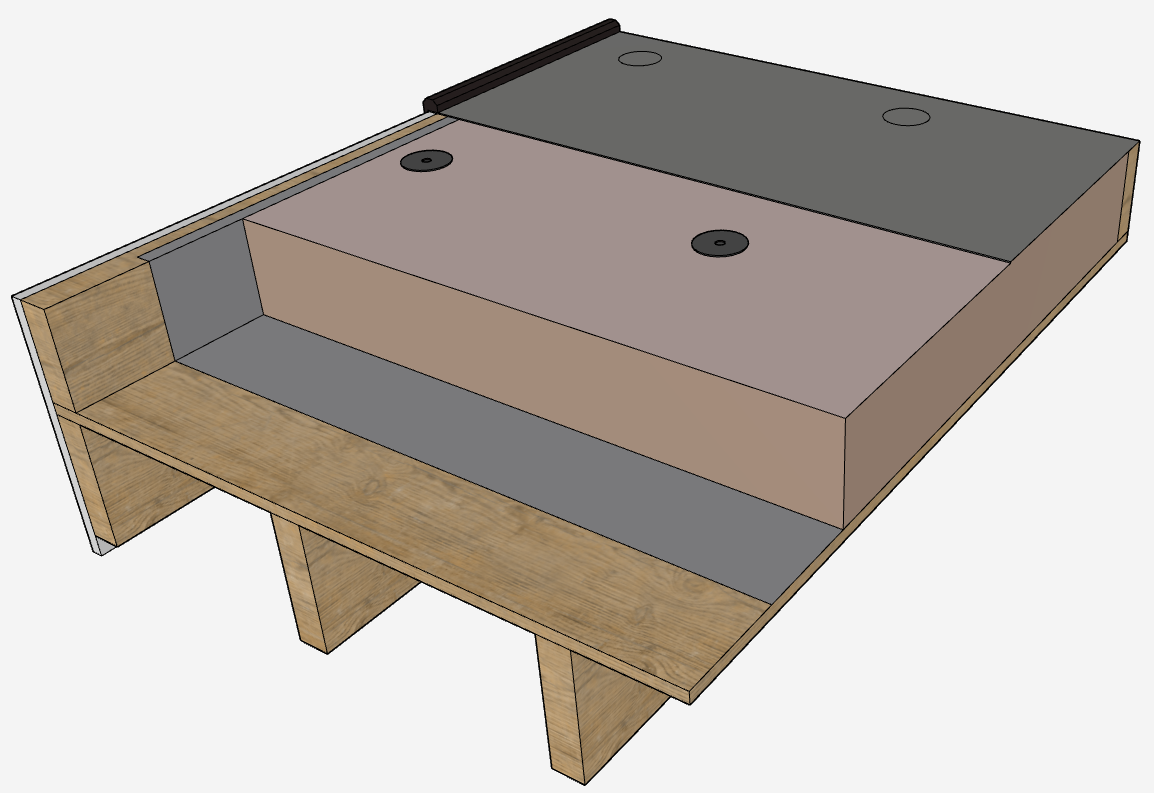
EPDM and liquid roofing are two of the most popular flat roof solutions, but which is right for you? The answer isn’t as straightforward as you would hope for, as it depends on many factors, including cost, roof type, exposure to weather, repairability and more.
Generally speaking, EPDM is more affordable, quicker to install, and ideal for simple flat and green roof builds.
Liquid roofing is more expensive, takes longer to install, but is more suitable for complex roofs with pipes, skylights or unusual shapes.
In this guide, we’ll break down everything you need to know about EPDM and liquid roofing, so you can make an informed decision.
Brief overview
EPDM (Rubber Roofing)
Liquid Roofing
Installation Type
Large single-sheet membranes & rolls
Cold-applied liquid PU system
Ease of Installation
Quick and simple – great for DIY or fast projects
Requires more skill, specialist tools, and dry conditions
Best for
Simple flat roofs, green roofs, small and large projects
Complex roofs with pipes, skylights, or intricate detailing
Waterproofing
Large sheets offer seam-free installation with strong adhesive; flexible and forgiving
Fully bonded, joint-free waterproof coating
Durability
Highly flexible, resistant to UV, ozone, and weather
Extremely tough, rigid, and impact-resistant
Weaknesses
Can be vulnerable to punctures from sharp objects or heavy foot traffic
Cannot get wet during installation; requires dry, controlled conditions to cure properly
Lifespan
Up to 50 years with minimal maintenance*
25–30+ years, depending on system and maintenance
Eco-Friendly
Often made with recycled materials, recyclable
Less environmentally friendly due to resin-based materials
Cost
Lower upfront material and labour costs
Higher upfront cost due to materials and installation time
EPDM (ethylene propylene diene monomer) is a synthetic rubber membrane made from ethylene and propylene, which is incredibly flexible, weather-resistant and durable.
It’s lightweight and supplied in large sheets to create an easy-to-install waterproof layer with minimal seams. As it’s incredibly flexible, it expands and contracts with temperature changes, reducing the chance of it cracking over time.
It is also supplied in rolls which can be easier to handle on larger roofs.
Liquid Roofing
Liquid roofing is a cold-applied liquid PU system applied over matting, which together cures into a seamless, rubber-like reinforced membrane with no seams or joints. This makes it ideal for complex roof shapes with pipes, skylights or other awkward detailing.
Installation
This is the biggest difference between the two.
EPDM
EPDM is regarded as one of the easiest flat roofing systems to install, coming in large, single-piece sheets that are ideal for simple flat roof applications that don’t require a lot of joints or seams.
You don’t need any specialist tools; all you need is the EPDM adhesive and simple roofing tools like rollers and paint brushes. These can be found in our complete EPDM rubber roofing tool kit.
Installing the membrane can be done in as little as a day due to the flexible and lightweight nature of the material. This is why it’s one of the most popular solutions for flat roofs.
Watch our EPDM roof installation video below:
Liquid Roofing
Liquid roofing systems are more complex to install.
The matting must be rolled into a lower coat, usually 65-70% of the full coverage and then a final layer 30-35% over the top using a roller to create a fully bonded, seamless membrane. Then you would apply the UV topcoat 24 hours after the system has fully set. Always ensure any pinholes or imperfections are fixed before you do this stage.
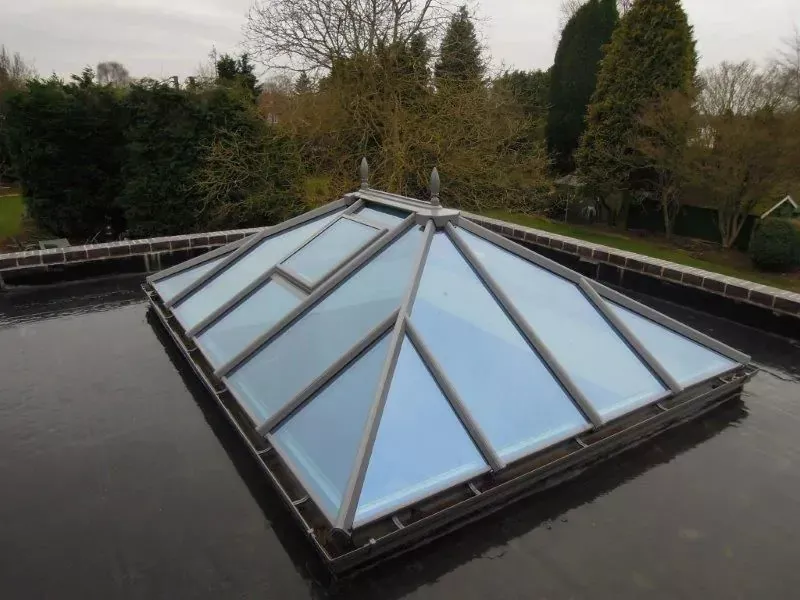
The is particularly well-suited to roofs with complex details such as outlets, skylights, upstands, corners, and penetrations, as the matting can be cut to shape and liquid can be worked around these areas easily.
Installation should be carried out in dry conditions and allowed 24 hours for it to cure. There are some systems which cure in less time, such as ARBOFLEX PU, which cures in 5-6 hours.
Watch our liquid roofing installation video below:
Important: Further advice on installing Liquid Roofing
Most liquid systems use a 65-70% layer in the first run, matting rolled in (gently – it’s not like GRP where you need the matting to break down) and then a further 30-35% applied over the top.
Always check the manufacturer’s information for the coverage and work out if the tin is covering what it should. For example, a 20kg tin of ARBOFLEX will do 10 – 13 sq.m, so if you’re getting less than stated, then you are applying too thick and if you are covering more then it’s too thin.
To further expand on the GRP comparison, it is common for people installing liquid systems to follow the same techniques as they would for installing GRP systems.
For GRP, when you install the resin and matting, the fibreglass matting breaks down into the resin to create the hard fibreglass waterproofing. With a 450/600g matting system, you use a bubble buster to break the matting down better and ensure no bubbles are in the system. With a 225g matting, the roller and agitation from the roller you use to apply the GRP is generally enough.
For Liquid systems, however, the 225g matting becomes a reinforced layer that is surrounded once finished by approximately a 50 / 50 ratio of liquid on either side. Kind of like creating your own single-ply membrane with a fibreglass matting core.
When you wet roll the matting into the 65/70% first layer, you allow for the matting to become damp and encased in the liquid and then by the end, there is approximately 33% below, 33% used for wetting the matting and then 33% above.
Durability
EPDM
EPDM is highly durable, flexible and has a long lifespan lasting up to 50 years if installed correctly and well-maintained. Its rubber-based membrane helps it adjust to harsh temperature changes, from freezing conditions to heat waves, without cracking or splitting.
It’s also highly resistant to UV radiation and general weathering, allowing it to maintain structural integrity for years without degrading.
The material isn’t completely impenetrable, as it can rip or tear if debris falls on it. This can happen during heavy winds or storms, so it’s important to check your roof after a storm in case any damage has occurred. If it has been damaged, it can be easily repaired using a rubber roof repair kit.
Liquid Roofing
Liquid roofing systems cure into a solid, seamless membrane that’s highly resistant to impact, abrasion, and general wear.
Once fully cured, the surface becomes tough and rigid with no joints or seams, where leaks could otherwise happen. This tough and rigid surface makes it ideal for roofs that experience regular foot traffic or exposure to falling debris.
Liquid coatings will gradually wear over time due to UV exposure, but this can be fixed with full re-coating of the roof. It does have a shorter lifespan compared to EPDM, lasting between 15 to 25 years; however, it is still incredibly durable.
Important: If you have a warm deck roof
Installing a walkway is especially important on warm deck roofs, as they shouldn’t have a hard, solid timber layer above them due to timber rotting in unvented spaces, therefore the tissue-faced PIR surface is more fragile than a hard, cold deck timber roof.
Any damage might not be spotted until it’s far too late, especially with a warm deck roof, as when an appropriate VCL is used like ALUTRIX, which itself is waterproof, so the roof might fill up before it shows internally.
Moisture resistance
EPDM
EPDM is naturally waterproof, and once installed, forms a continuous membrane that repels rainwater and resists ponding. Its flexibility helps it expand and contract with temperature changes, maintaining a watertight seal over time.
Because EPDM is flexible, it can handle minor movement in the roof structure without cracking. However, if the membrane is punctured or damaged, moisture can penetrate beneath the surface and spread without it being noticeable until the damage is already done.
Liquid Roofing
Liquid roofing systems create a fully bonded, seamless waterproof layer once cured. This means there are no weak points where water can penetrate. Additionally, the membrane is bonded directly to the substrate, which means water cannot go underneath the surface, making it highly resistant to leaks and standing water.
Before the system has fully cured, moisture is a major concern and can compromise the performance of the roof. Any exposure to rain or damp conditions during installation can cause imperfections in the finish, which is why liquid roofing systems must only be installed in dry weather conditions.
Weather Resistance
EPDM
EPDM offers all-year-round weather protection due to its flexibility, allowing it to expand and contract to extreme temperature changes without cracking. It’s also highly resistant to UV rays and ozone.
Liquid Roofing
Once fully cured, liquid roofing forms a fully watertight membrane which performs exceptionally well in wet and exposed conditions. It’s UV-resistant and performs reliably in both hot and cold climates, with its solid structure resisting physical impacts like hail or falling debris.
Repairability
EPDM
EPDM roofs are very low-maintenance and only require checks once or twice a year to remove debris and check for punctures.
If repairs are required, they can be carried out quickly and easily using an EPDM repair kit, which handles tears and punctures effectively and restores the membrane’s waterproof integrity.
Liquid Roofing
Liquid roofs are incredibly durable and typically maintenance-free once installed. However, if repairs are needed, the process is a lot more involved compared to EPDM.
This is because it requires abrading the area, applying fresh resin, and refinishing the surface to match. Our roof repair sealing paint is ideal for repairing punctures and damage to all types of roof surfaces for temporary repairs up to 2-5 years .
Appearance
EPDM
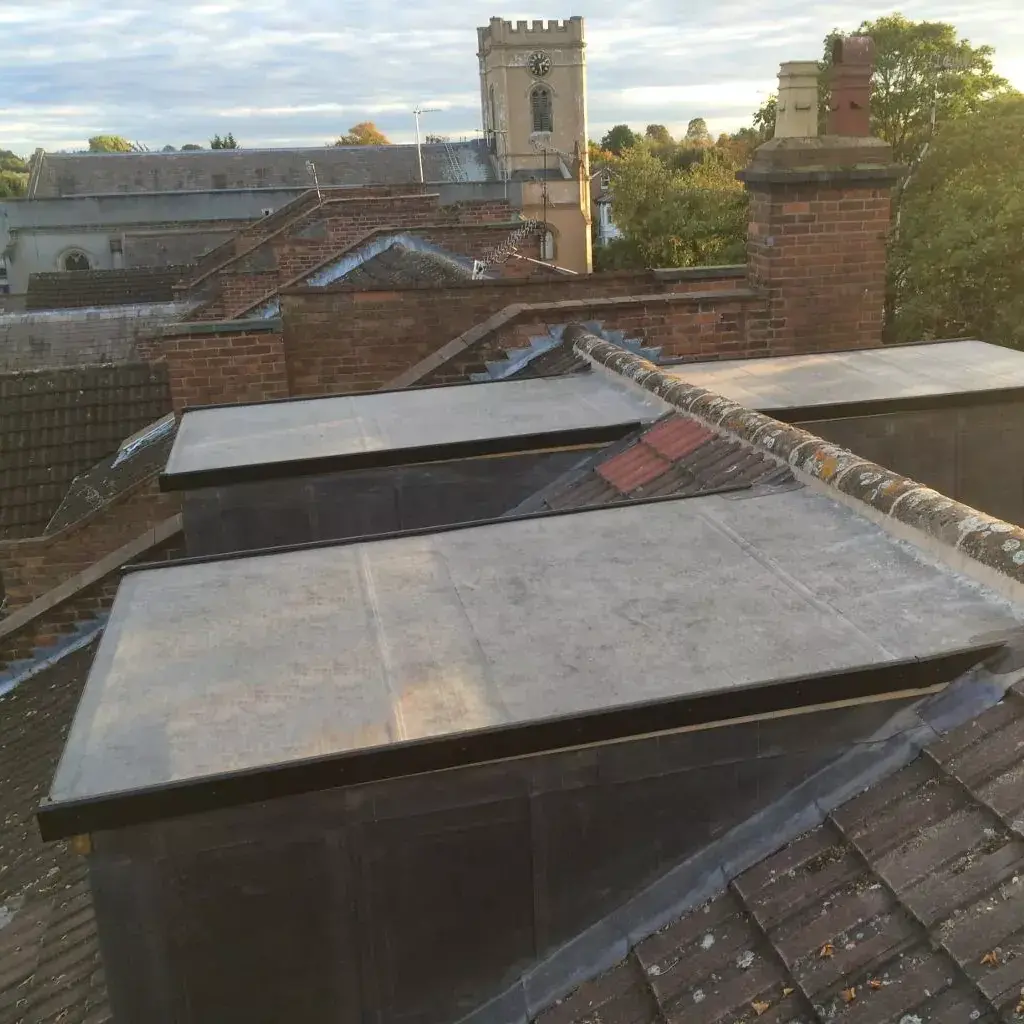
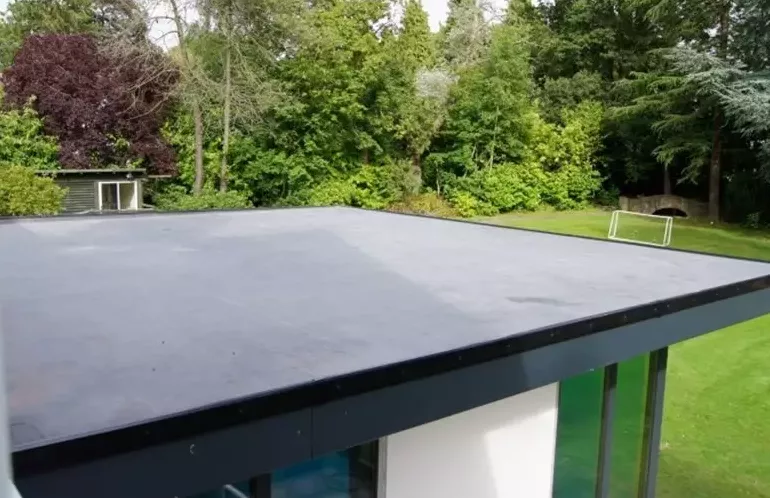
EPDM is used for its practicality over its visual appeal. It has a clean, uniform appearance with a smooth, matte black or dark grey finish which blends in well with most buildings.
While the membrane itself doesn’t offer much in terms of design, roof trims are often used alongside it to add a perfect finishing touch.
It’s also the best option for a green roof system which then does enhance the appearance of the flat roof.
Liquid Roofing
Liquid roofing offers a nicer and more seamless finish compared to EPDM. Over time, it can be subject to fading from UV rays, but this can be prevented using a UV-protective topcoat.
A UV topcoat should be used on all liquid roofing systems and if you’ve been sold one without your lifespan of the roof can be reduced from the advertised 20-25 years down to as little as 5 years.
Which is cheaper?
EPDM is considered the more budget-friendly option.
EPDM
The EPDM membrane is relatively affordable, and as it’s supplied in large, lightweight sheets, installation is quick and straightforward. Especially compared to liquid roofing, which is more expensive to buy and takes longer to install.
Liquid Roofing
Liquid roofing costs more upfront compared to EPDM. The materials will include the primer, liquid, sealant, topcoat and matting, as well as a more time-consuming installation process, which adds more to the cost if you’re paying a specialist to install it for you.
Beyond cost, durability, and installation, there are a few additional factors worth considering when deciding between EPDM and liquid roofing. These can play an important role depending on your roof type, usage, and long-term plans.
Thermal performance
Neither EPDM nor liquid roofing is inherently a thermal insulator on its own, as both systems rely on insulation layers beneath the membrane or laminate. However, they interact with insulation in slightly different ways.
EPDM’s breathability allows it to work well with warm roof constructions, allowing moisture vapour to escape more easily.
Liquid roofing, on the other hand, forms a fully bonded, airtight layer. While this can improve airtightness when installed correctly, it also means any moisture trapped below the surface has fewer escape routes.
Both EPDM and liquid roofing systems can achieve good fire ratings when installed with the correct specifications. EPDM membranes are often manufactured to meet Class BRoof(T4) fire ratings, while liquid roof systems can achieve similar or higher ratings depending on the topcoat and materials used.
Environmental impact
EPDM is 100% recyclable and has a relatively low environmental impact during production. It also has a long lifespan, which means it will be replaced less over time.
Liquid roofing is less eco-friendly due to the use of resins and chemical components, neither of which is recyclable.
Which is right for me?
If you’re looking for a cost-effective, reliable solution that’s quick to install and easy to maintain, EPDM will be the better choice. It’s especially ideal for non-complex and simple flat roofs where ease of installation matters.
If you want a seamless high-performance finish, and are willing to pay more for materials and installation, then a liquid roofing system will be the better option. It’s particularly ideal for complex roofs with pipes, skylights and / or other detailing.
If you need any help with your flat roofing project, please feel free to reach out to us today. UKFR is a family-run business with extensive flat roofing knowledge to help you find exactly what you need.