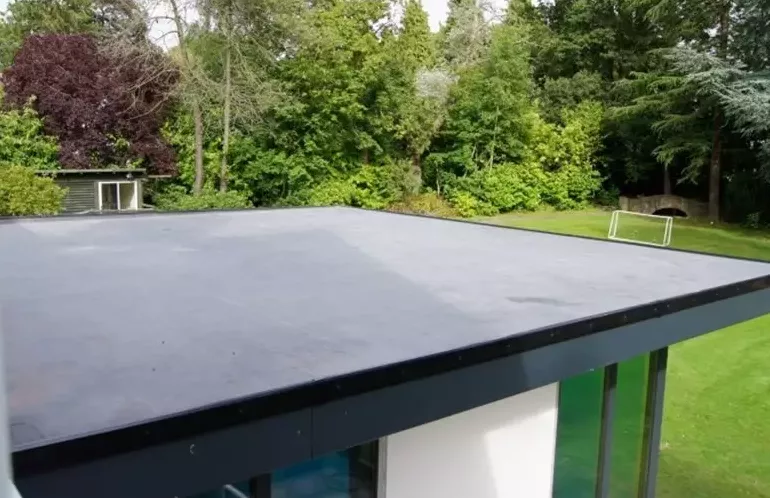
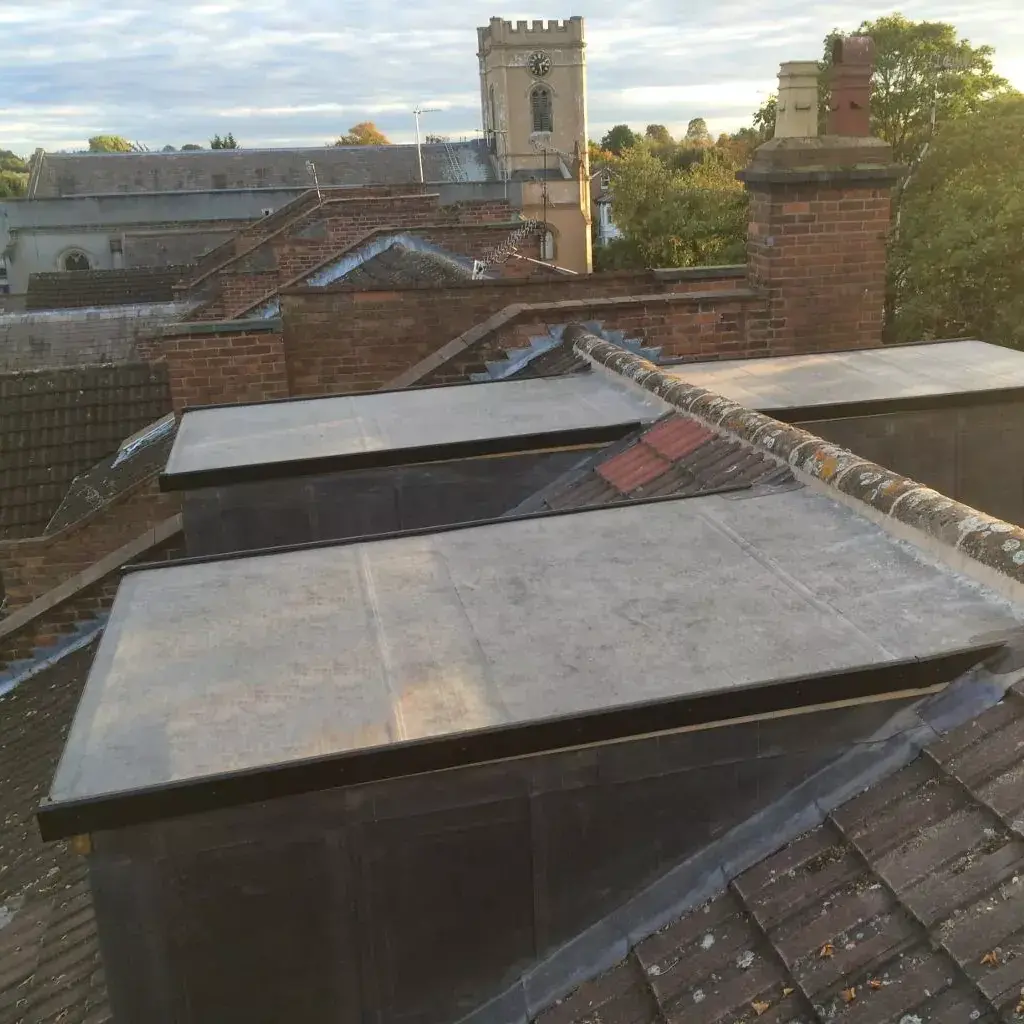
When it comes to flat roofing, EPDM rubber has earned its reputation as one of the most reliable and versatile materials available. But what makes it stand out?
In this blog, we’ll explore why EPDM is used — from its long-lasting performance and cost-effectiveness to its easy installation and eco-friendly design.
1. Long-Lasting Performance
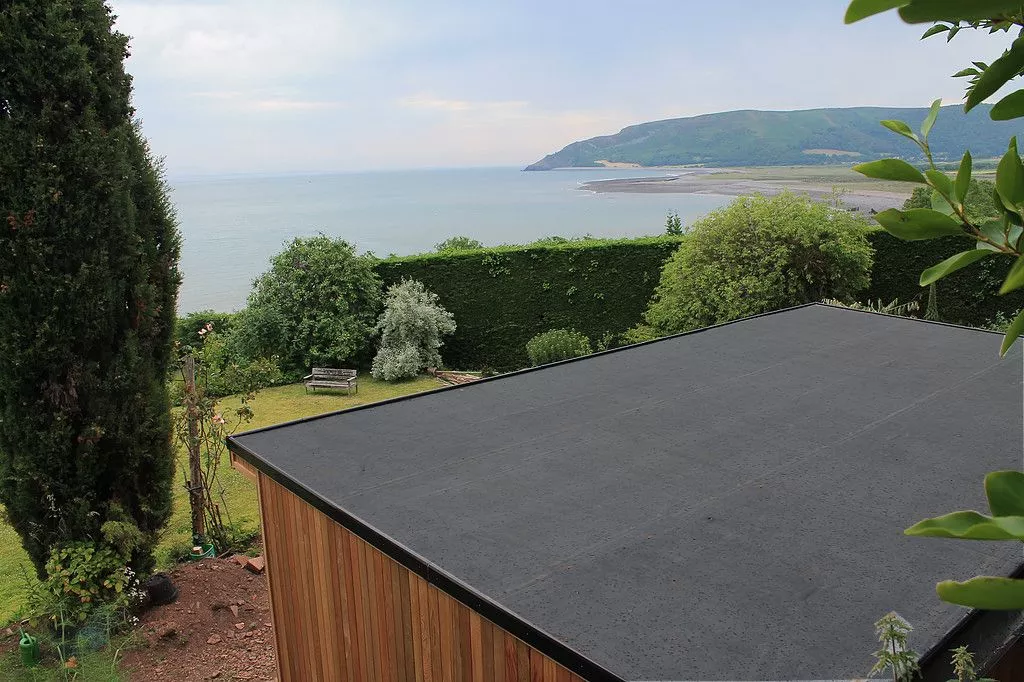
EPDM rubber membranes are renowned for their exceptional longevity and resilience, making them one of the most durable flat roofing systems available . This reputation is why it’s used across millions of homes, schools, and commercial buildings in the UK.
With a life expectancy of over 50 years, it’s engineered to withstand extreme climates, remaining flexible and stable in temperatures from -45°C to +120°C, which prevents cracks and splits caused by expansion and contraction. It’s also UV-resistant, meaning it won’t degrade under prolonged sun exposure.
Want to find out more? Check out our guide: How long do EPDM rubber roofs last? Here we compare the lifespan with other flat roof solutions, as well as looking at what impacts the lifespan and how you can get the most out of it.
2. Budget Friendly
Another benefit of EPDM is that it offers outstanding value for money.
The main reason for this is that it’s economical to manufacture, which is why it’s cheaper than alternative systems.
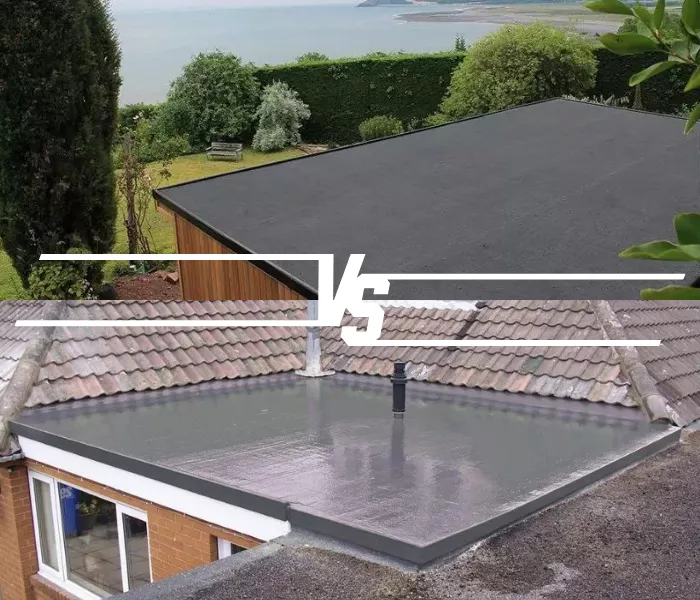
What also makes it stand out as a cost-effective solution is that it will outlast most, if not all, other roof coverings. EPDM has a life expectancy of 50 years, which is at least double other roofing options, with Liquid, GRP and Felt Roofing all having a life expectancy up to 25 years.
The material is also very low-maintenance. Because it’s made from rubber, it naturally doesn’t support the growth of moss; as well as this, the membrane is typically dark, which means dirt doesn’t show as easily when compared to other materials.
The membrane is also very easy to repair and can be done so using an inexpensive rubber roof repair kit, which doesn’t require the entire flat roof to be redone. Instead, you only repair the part that’s been damaged.
Save money on your flat roof with UKFR
Knowing exactly what you need for your flat roof is a timely and confusing process. This is why we’ve set up a system which tells you exactly what you need. Simply enter your requirements and you’ll be given the exact quantities and sizes of products, added straight to your basket, ready to start your project.
EPDM rubber roofing is one of the simplest and safest flat roof membranes to install, even if you’ve never done it before.
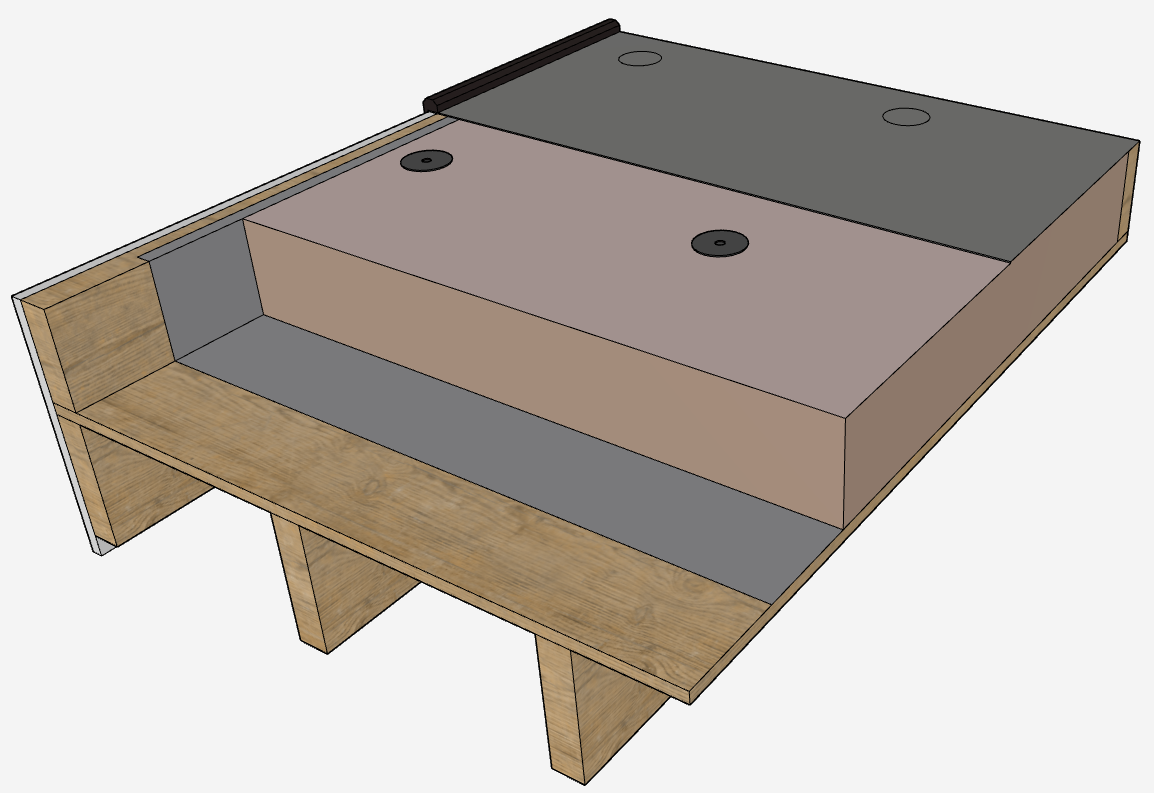
The membrane is supplied in large single-fit sheets up to 450sq.m or smaller rolls, making it easy to handle and allowing it to fit a variety of roof sizes. Its flexibility also makes for straightforward detailing and joining.
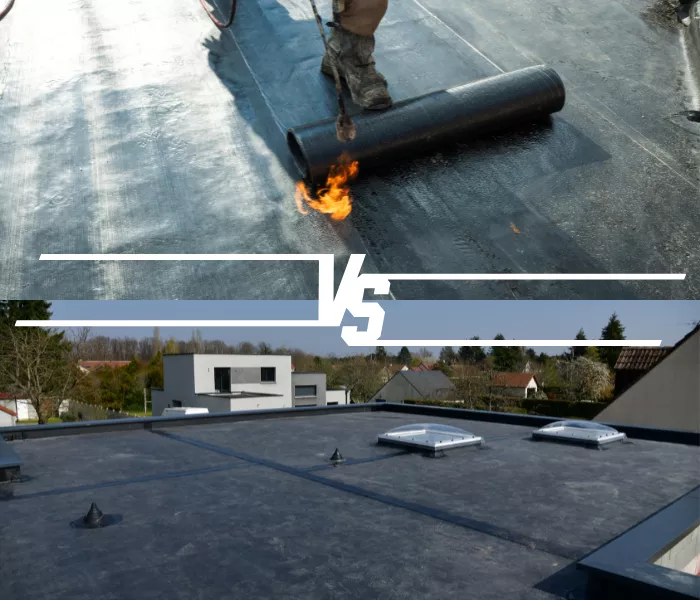
It’s also much safer to install compared to older roofing systems as it doesn’t require a naked flame during installation, eliminating the risk of fires. When an adhesive is required (for the largest centre sections of the roof when installing onto timber decks),it relies on a water-based adhesive, reducing the need for solvent-based glues.
If you’ve never installed a flat roof before but want to try, watch our installation video below to see if it’s something you could manage yourself:
If you have a complicated roof
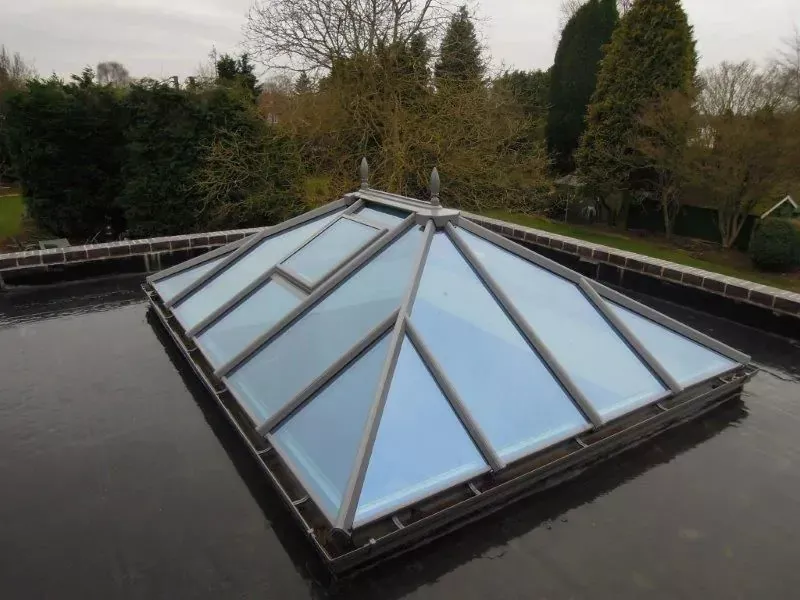
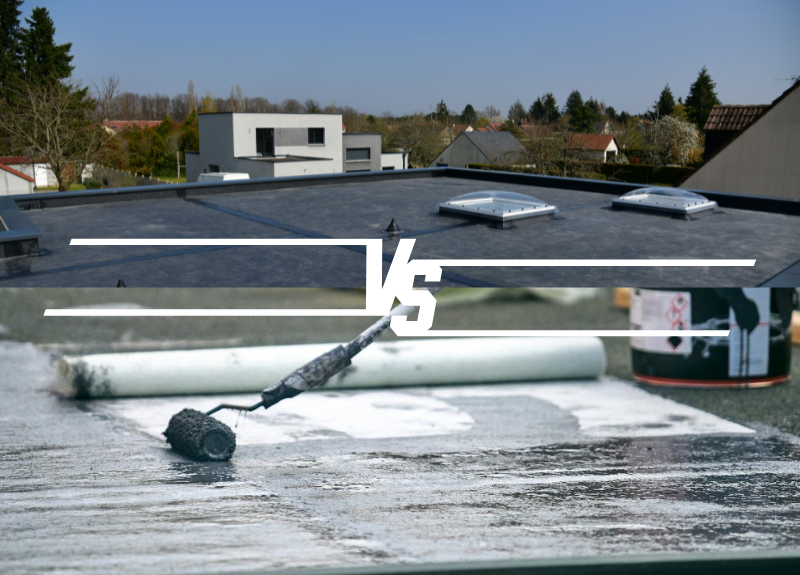
Please note, EPDM sheets are not always suitable for complicated roofs, such as ones with many skylights or pipes in the way. If you have this, we recommend other flat roof membranes including:
1. Liquid Roofing – This is applied as a liquid coating that cures into a seamless, flexible membrane.
2. GRP Roofing – This is applied in layers using resin and fibreglass matting to create a tough, seamless surface.
3. RESITRIX EPDM – This is a bitumen-backed EPDM that is reinforced and hot air-welded.
4. ClassicBond Pro – This is a fleece backed EPDM that comes in 1.5m rolls with pre-applied seam tape.
4. Eco-friendly
EPDM is recognised as one of the most environmentally-friendly flat roof options available. So much so that it’s recommended by both the Government and the Kyoto Protocol as the most sustainable roofing material.
It requires very little energy to produce, reducing its overall carbon footprint. At the end of its long lifespan, the membrane can be fully recycled, and if damage occurs, you only need to repair where it was damaged, rather than replacing the entire roof unlike other systems.
It’s also highly compatible with green roof systems. Unlike traditional flat roofing materials, it doesn’t require an additional root barrier, which saves you money while allowing you to create a sustainable environment that will benefit your home (and the planet) for years to come.
While EPDM is incredibly effective, it isn’t perfect and there are some drawbacks. Some of these include:
Difficult to install on an awkward roof shape
Prone to punctures from falling debris during heavy storms
Not aesthetically pleasing on its own
To learn more, check out our full guide on disadvantages of EPDM roofing where we break these points down in detail and suggest alternative solutions depending on your needs.