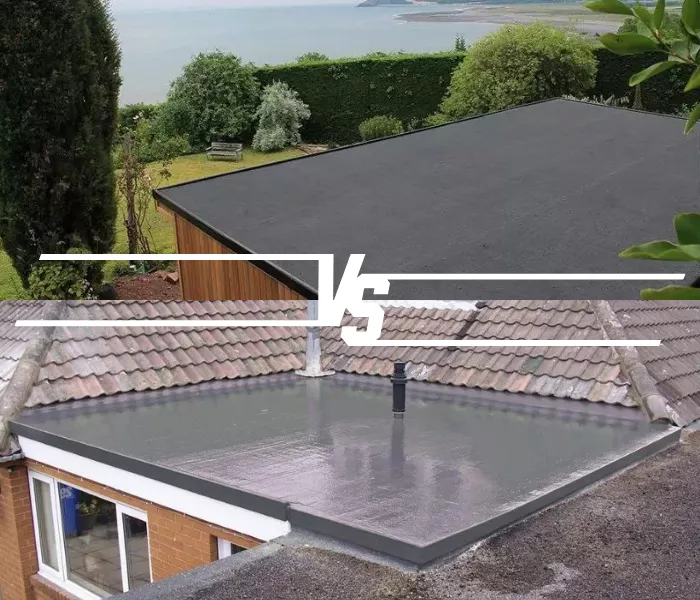
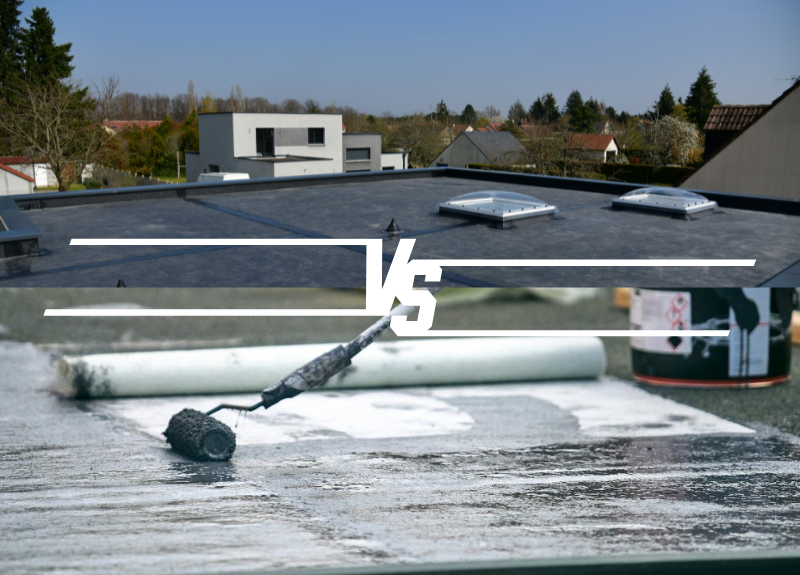
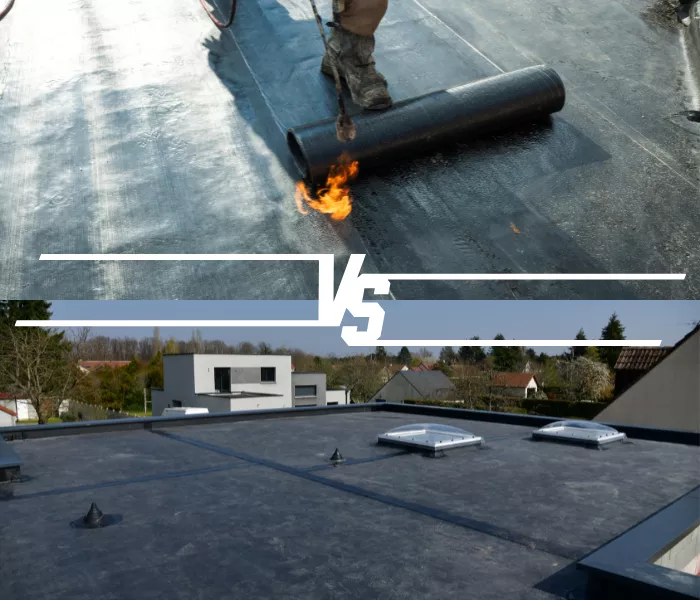
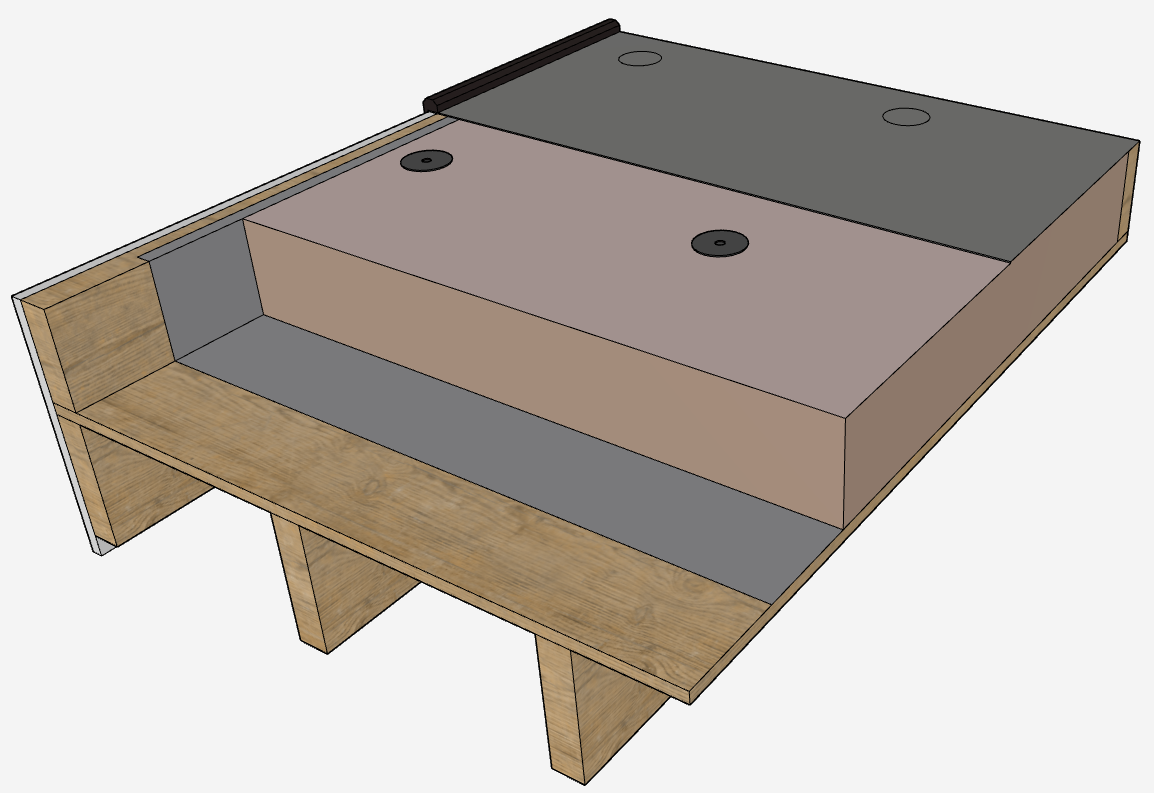
Which is better for my roof – EPDM or GRP?
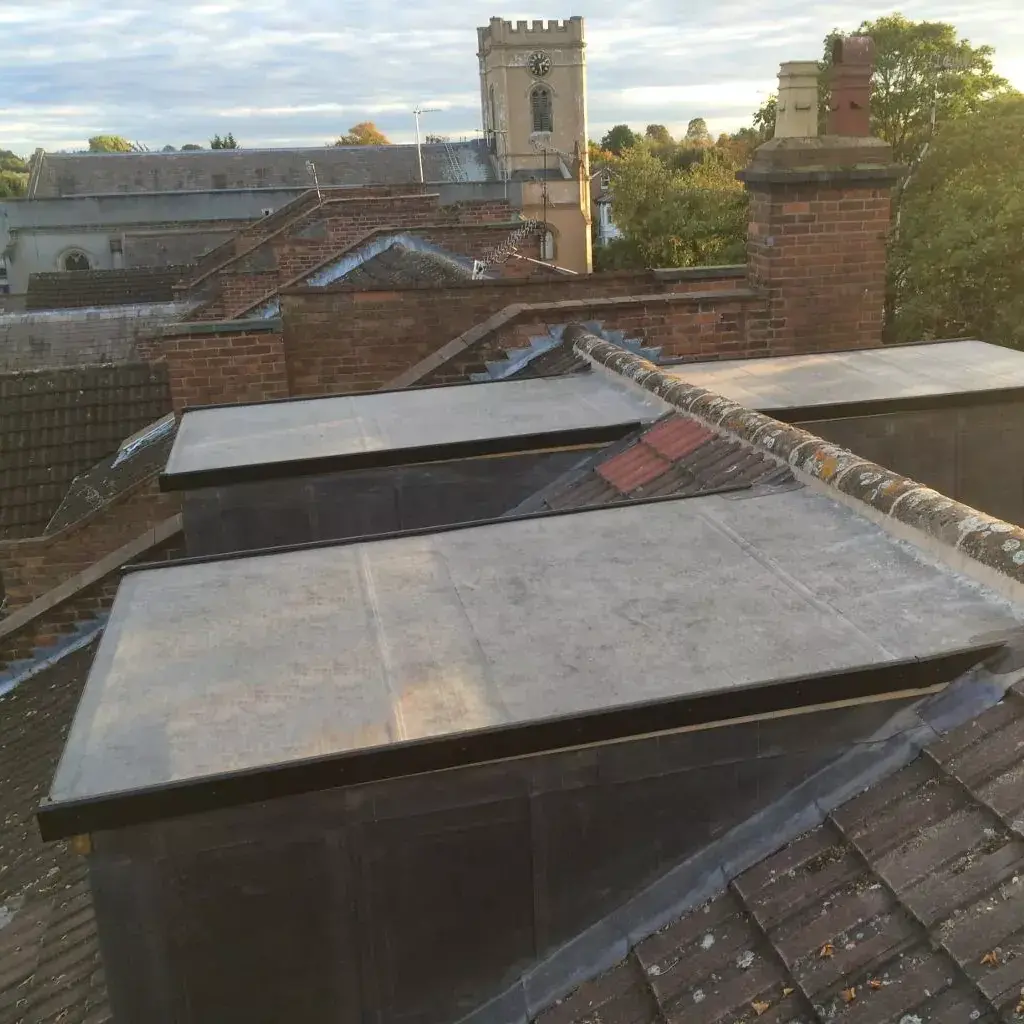
The answer to this question depends entirely on whether you have a simple or more complex roof.
When is EPDM better?
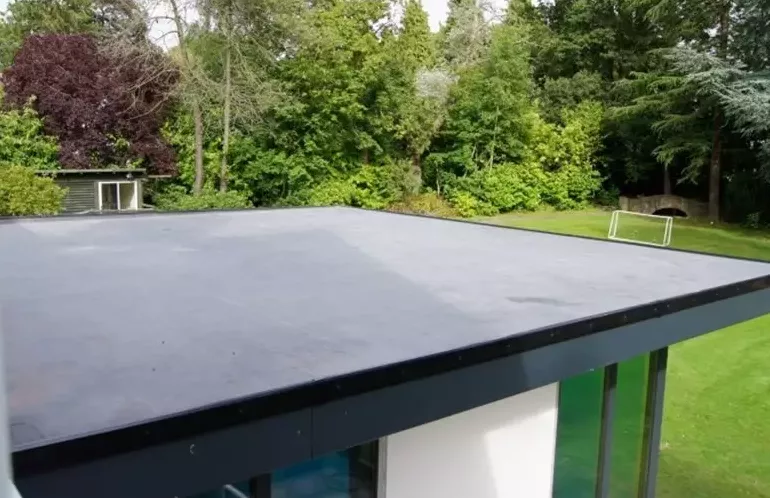
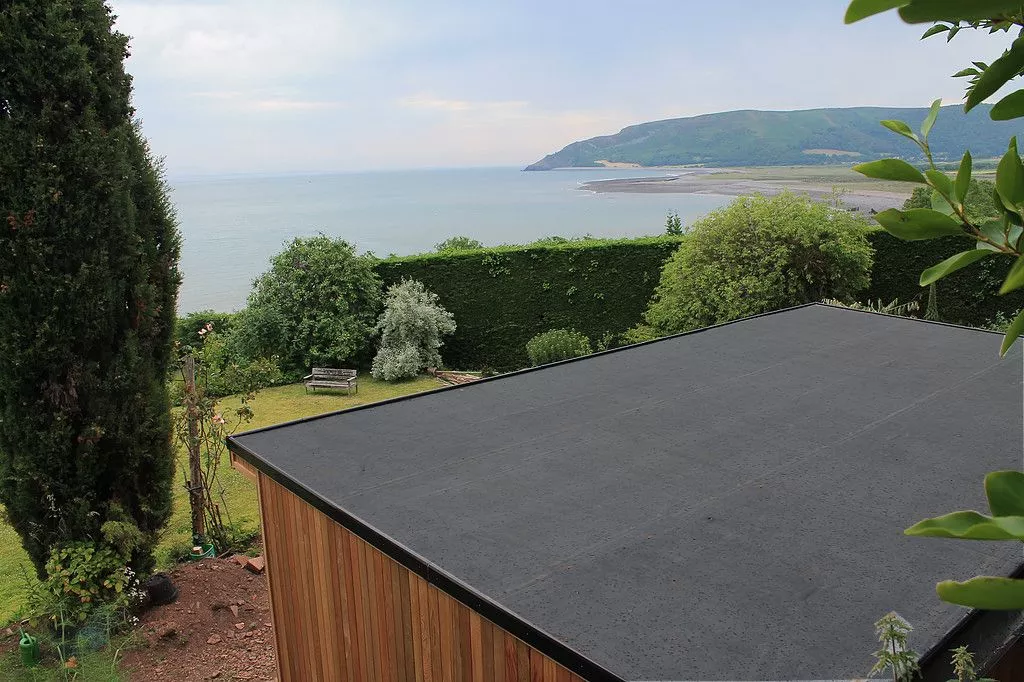
EPDM is ideal for simple roof layouts, like sheds, garages or extensions, with no or one skylight. This is because you can lay the membrane down without needing to make many alterations.
Additionally, because EPDM is an impermeable membrane, it can be used as a waterproof layer below a green roof system. This is because it handles constant moisture much better than GRP systems do.
When is GRP better?
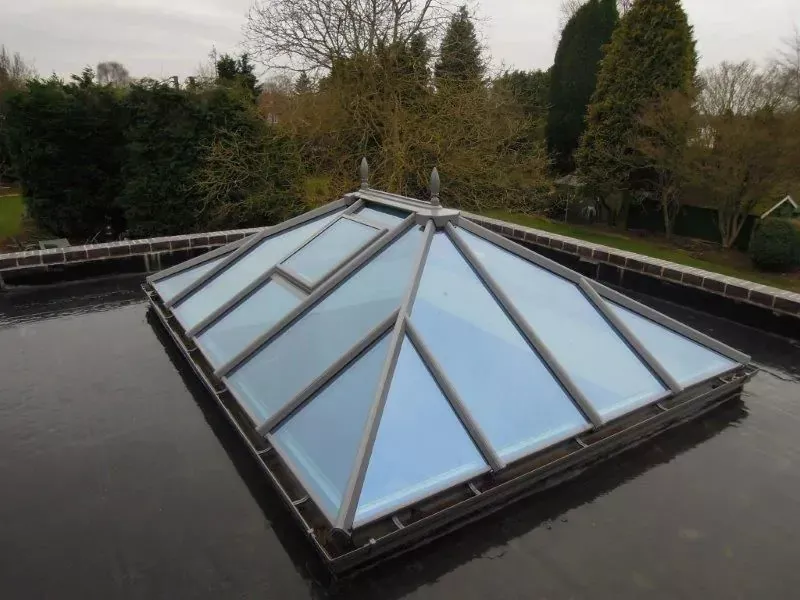
GRP roofing is a liquid-based system that’s ideal for complex roof layouts, like roofs with multiple skylights, pipes, or corners, as it can be moulded and shaped around awkward details.
The biggest downside of GRP is that it doesn’t do well in damp conditions, and any imperfections to the surface can cause leakages.
Is there a middle ground between EPDM and GRP?
If you’re working on a more complex roof but still want the flexibility and reliability of rubber, RESITRIX offers a strong middle ground between EPDM and GRP.
RESITRIX is a rubber-based membrane that’s heat-welded rather than glued. This gives it the flexibility of EPDM, allowing it to expand and contract with the building, while also providing the strong, permanently bonded seams you’d expect from EPDM, GRP or liquid systems.
Because it can be welded around skylights, pipes, corners, and vertical surfaces, RESITRIX is well-suited for complex roof shapes—something that standard EPDM struggles with.